Locations:





 Search
This nutrient-rich fruit offers a surprisingly long list of potential health benefits, like lowering blood sugar and boosting brain health
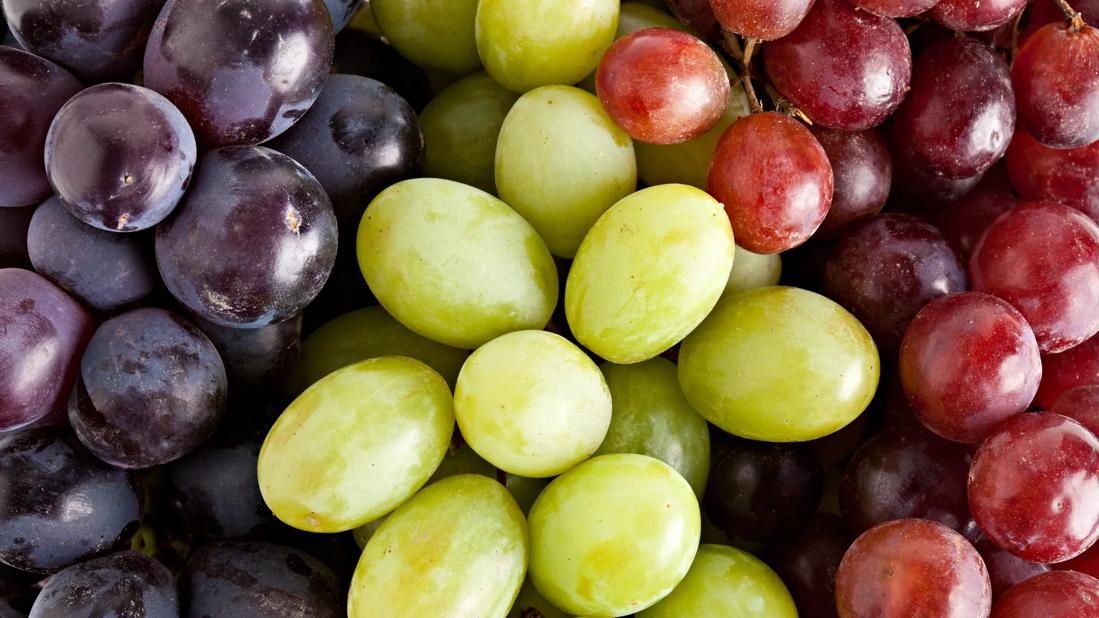
Image content: This image is available to view online.
View image online (https://assets.clevelandclinic.org/transform/10150db3-f7d0-4053-a303-c6b2c04d5523/grapes-157608047)
Three bunches of three types of grapes
Eating grapes is pretty easy. It’s so easy, in fact, that you might not really appreciate how much grapes do for your health after you gobble them down.
Advertisement
Cleveland Clinic is a non-profit academic medical center. Advertising on our site helps support our mission. We do not endorse non-Cleveland Clinic products or services. Policy
This naturally sweet fruit is rich in nutrients that can protect your body in more ways than you may realize. Let’s look at a whole bunch of benefits with registered dietitian Anthony DiMarino, RD, LD.
Don’t let the small size of grapes fool you: There are a lot of positives packed into that ready-to-eat package. A 1 cup (151 grams) serving of grapes delivers a healthy serving of many key nutrients, like:
Grapes are high in water content to help keep you hydrated, too. They also have enough natural sugars to satisfy a sweet craving without raiding the snack machine.
And did we mention that a serving of grapes is only 104 calories?
“Grapes are loaded with nutrients that support your overall wellness, all while being refreshing and convenient,” says DiMarino. “They’re a great example of a food that makes healthy eating feel easy.”
Adding grapes to your eating routine may also offer these benefits:
Grapes are a fabulous source of vitamin C, which is known for its ability to boost your immune system to help keep you from getting sick. “If we have a strong immune system, our body’s better able to fight against and prevent any sudden, short-term illness,” says DiMarino.
Advertisement
So, maybe popping a few grapes a day will keep the doctor away. (Move over, apples!)
Grapes are full of antioxidants — like resveratrol and catechins — that fight free radicals in your body. Free radicals are mayhem-causing molecules that can damage cells. When that damage builds up, it can lead to mutations that increase cancer risk.
“Antioxidants help keep free radicals in check, which can limit oxidative stress and inflammation to reduce the risk of cancer and chronic illness,” notes DiMarino.
The potassium in grapes can help lower your blood pressure by working to balance sodium levels in your body. In addition, those helpful antioxidants we mentioned also support blood vessel function.
Put it all together, says DiMarino, and you have a fruit that helps your circulatory system work more efficiently.
Your heart will absolutely love grapes! That’s because antioxidants like those found in grapes have been shown to limit heart disease risk, emphasizes DiMarino. In addition, the potassium in grapes qualifies as heart-healthy, given its ability to lower your BP.
Grapes have a fiber-rich exterior skin. Eating a diet high in fiber can help clear artery-blocking “bad” LDL cholesterol from your system. Research shows that adding grapes to your diet can be beneficial for lowering LDL and total cholesterol.
“I always explain it almost like a street sweeper,” illustrates DiMarino. “That fiber gets in your bloodstream and carries cholesterol into the liver, where it gets processed and removed.”
Grapes have a low glycemic index number, meaning they won’t spike your blood sugar if eaten in moderation. (More on that in a bit.) Studies also show that nutrients (like resveratrol) in grapes may increase insulin sensitivity to help your body use glucose.
All the do-good antioxidants in grapes can help protect brain cells by limiting oxidative stress. Some of the chemical compounds found in grapes can also boost blood flow, which your brain needs to be at its best.
Over time, DiMarino says these factors may help support memory and overall brain health while also protecting against dementia and other cognitive disorders.
Want to make your inner skeleton grin like a Halloween decoration? Then eat grapes! They’re loaded with bone-supporting nutrients, including vitamin K and minerals, like calcium, magnesium and potassium.
Eating grapes may help in your battle against Father Time. Resveratrol (yes, that powerful antioxidant again) has been linked to a longer lifespan due to its effects on cells, oxidative stress and inflammation.
Advertisement
“The antioxidant can contribute to healthy aging and longevity,” says DiMarino.
Having a hard time getting a good night’s sleep? Grapes may help you catch some ZZZs because they contain melatonin, which helps regulate the sleep-wake cycle. They also provide carbohydrates that help you use sleep-related hormones better.
“While grapes aren’t necessarily a sleep remedy, they may be a helpful part of a diet supporting better rest,” says DiMarino.
While grapes are healthy and nutritious, a few things about the fruit deserve your attention, says DiMarino. The short list includes:
Advertisement
You have options when you shop for grapes. You can go green, red or black, for instance. Or perhaps a variety with a fun name catches your eye.
But is one type of grape healthier than others? Not really, says DiMarino. Basically, they’re all healthy choices. (That being said, red and black grapes may have a slight edge given that they tend to have more antioxidants.)
“What’s most important is eating grapes in their natural form,” adds DiMarino. “So, instead of drinking grape juice or eating raisins, a plain and unprocessed grape is where you’ll get the most nutrition.”
Advertisement

Sign up for our Health Essentials emails for expert guidance on nutrition, fitness, sleep, skin care and more.
Learn more about our editorial process.
Advertisement

This caffeinated South American tea contains antioxidants and other nutrients that may offer some health benefits
Protein is essential in your diet, but piling more onto your plate isn’t always better
Choosing snacks with protein can help curb hunger, support muscle health and keep your energy steady between meals

Fish packs plenty of protein, heart-healthy fats and other body-boosting nutrients into every bite

Both are healthy choices, but wild-caught salmon offers a few more benefits
These bright berries are packed with nutrients and antioxidants that may support your eyes, immune system and overall well-being
Prepping ingredients ahead of time, rethinking your snacks and making smart protein swaps can up your daily intake

It’s a good on-the-go option and can help build muscle and aid in weight loss

Glute bridges are simple bodyweight exercises worth adding to any workout

Cancer that’s spread beyond the prostate is considered ‘advanced’

The best choices are high in omega-3s and protein and low in mercury











